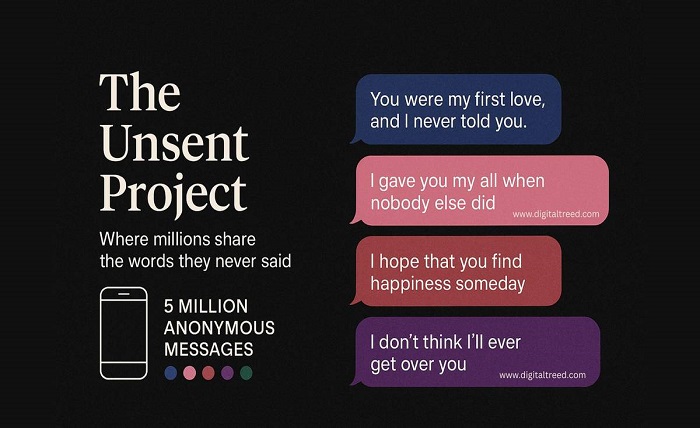
Introduction
The unsent project website has become one of the internet’s most intriguing emotional archives, allowing people to share messages they never sent to someone they once loved, lost, or never confessed to. The unsent project website collects thousands of anonymous submissions from around the world, creating a powerful collection of raw emotions that many readers find deeply relatable. Because the unsent project website focuses on unsent messages, it captures feelings that are often hidden in real life, such as regret, longing, forgiveness, and closure.
The idea behind the unsent project website is simple yet emotionally powerful. People write messages intended for someone who changed their life but never actually send them. Instead, those messages are submitted anonymously to the unsent project website, where they become part of a digital archive of human emotion. Over time, the unsent project website has evolved into both an artistic project and a social phenomenon that resonates with millions of readers.
For many users, the unsent project website offers a sense of relief and emotional release. Writing something you never said can be therapeutic, and the unsent project website provides a safe place to express those thoughts without judgment. As a result, the unsent project website has become popular among people seeking emotional closure, creative inspiration, or simply a reminder that others share similar experiences.
What Is the Unsent Project Website?
The unsent project website is an online platform where individuals submit anonymous messages they never sent to someone important in their lives. These messages often involve love, heartbreak, apologies, gratitude, or unresolved feelings. The unsent project website organizes these messages into a searchable archive, allowing visitors to browse thousands of emotional confessions.
One of the unique aspects of the unsent project website is that many submissions are associated with colors. In the unsent project website, contributors choose a color that represents the person they are writing about. This artistic element adds a visual dimension to the unsent project website, making it feel like both an emotional archive and an interactive art project.
Another important feature of the unsent project website is its anonymity. Because submissions are anonymous, users feel safe expressing deeply personal feelings they might never reveal publicly. This anonymity is what allows the unsent project website to capture such honest and raw emotions from people across different cultures and backgrounds.
The Story Behind the Unsent Project Website
The unsent project website originally started as an art project designed to explore human emotions and color psychology. The creator of the unsent project website wanted to understand what people would say if they had one final chance to send a message to someone they never expressed their feelings to. Over time, the unsent project website grew from a small experiment into a massive online collection of emotional storytelling.
When the unsent project website first launched, it received only a small number of submissions. However, as social media began sharing posts from the unsent project website, the project quickly went viral. Today, the unsent project website contains millions of messages submitted by people from around the world.
The growth of the unsent project website highlights how powerful digital storytelling can be. People connect deeply with the emotional honesty found on the unsent project website, which is why the platform continues to attract new readers and contributors every day.
How the Unsent Project Website Works
The process of submitting to the unsent project website is simple and user-friendly. Visitors go to the unsent project website, write a message they wish they had sent to someone, select a color that represents that person, and submit the message anonymously. After moderation, the message becomes part of the unsent project website archive.
Once messages are published on the unsent project website, readers can search by name to see if anyone has written messages addressed to someone with that name. This feature is one of the most fascinating aspects of the unsent project website, as users often look up their own name out of curiosity.
The unsent project website also allows users to browse messages randomly or by color. This browsing experience makes the unsent project website feel like exploring a digital diary of global emotions, where every message reveals a different story or perspective.
Why the Unsent Project Website Became So Popular
The popularity of the unsent project website can be attributed to its emotional authenticity. In an online world filled with curated content, the unsent project website stands out because it showcases unfiltered human feelings. People often feel comfort when reading the unsent project website because they realize they are not alone in their emotions.
Social media has also played a major role in spreading the unsent project website. Screenshots and quotes from the unsent project website are frequently shared on platforms like Instagram, TikTok, and Pinterest. These posts introduce new audiences to the unsent project website, encouraging more people to visit and participate.
Another reason the unsent project website resonates with so many readers is its relatability. Many messages on the unsent project website express feelings that almost everyone has experienced at some point in life, such as unspoken love, missed opportunities, or lingering regret.
Emotional Impact of the Unsent Project Website
The unsent project website has a powerful emotional impact on both contributors and readers. For contributors, submitting a message to the unsent project website can feel like releasing a burden they have carried for years. Writing an unsent message allows individuals to process feelings that may have remained unresolved.
Readers of the unsent project website often describe the experience as deeply emotional. Browsing the unsent project website reveals countless personal stories, and many readers find messages that mirror their own experiences. This emotional connection is one reason why the unsent project website has such a devoted audience.
Psychologically, the unsent project website can serve as a form of emotional reflection. When people read messages on the unsent project website, they often think about their own relationships and the words they wish they had said.
How the Unsent Project Website Reflects Modern Digital Culture
The unsent project website is a fascinating example of how the internet has transformed emotional expression. In the past, unsent letters might have remained hidden in personal diaries, but today the unsent project website provides a global platform for those thoughts.
Another interesting aspect of the unsent project website is how it combines art, technology, and psychology. By linking emotions with colors and anonymous storytelling, the unsent project website creates a unique digital experience that blends creativity with vulnerability.
The unsent project website also highlights the growing trend of anonymous online expression. Many people feel more comfortable sharing personal stories anonymously, which is why platforms like the unsent project website continue to gain popularity in modern digital culture.
Should You Use the Unsent Project Website?
If you have ever wished you could send a message you never had the courage to share, the unsent project website might be worth exploring. Submitting a message to the unsent project website can be a meaningful way to release emotions and reflect on past relationships.
Many people visit the unsent project website simply to read messages and connect with the emotional stories of strangers. Even if you never submit a message, the unsent project website can offer powerful insights into human feelings and relationships.
Ultimately, the unsent project website serves as both a creative project and an emotional outlet. Whether you participate by writing a message or by reading others’ stories, the unsent project website provides a unique glimpse into the universal experiences of love, loss, and memory.
Conclusion
The unsent project website has grown into a global emotional archive that captures the words people never had the chance—or courage—to send. Through anonymous submissions, the unsent project website allows individuals to share their deepest thoughts while offering readers a powerful sense of connection.
What makes the unsent project website truly special is its authenticity. Every message on the unsent project website represents a real emotion and a real story. By bringing together millions of unsent messages, the unsent project website reminds us that human feelings are universal and deeply interconnected.
As the unsent project website continues to grow, it will likely remain one of the internet’s most meaningful digital art projects. Whether you visit the unsent project website for emotional reflection, creative inspiration, or simple curiosity, it offers a powerful reminder that sometimes the words we never send can still be heard.
FAQs
1. What is the unsent project website?
The unsent project website is an online platform where people anonymously share messages they never sent to someone important in their lives.
2. Is the unsent project website anonymous?
Yes, the unsent project website allows users to submit messages anonymously, which encourages honest and emotional expression.
3. Can I search my name on the unsent project website?
Yes, the unsent project website includes a search feature where users can look up names to see if any messages are addressed to them.
4. Why do people use the unsent project website?
People use the unsent project website to express feelings they never shared, find emotional closure, or connect with others through shared experiences.
5. Is the unsent project website safe to use?
The unsent project website is generally safe because submissions are anonymous and moderated before being published.