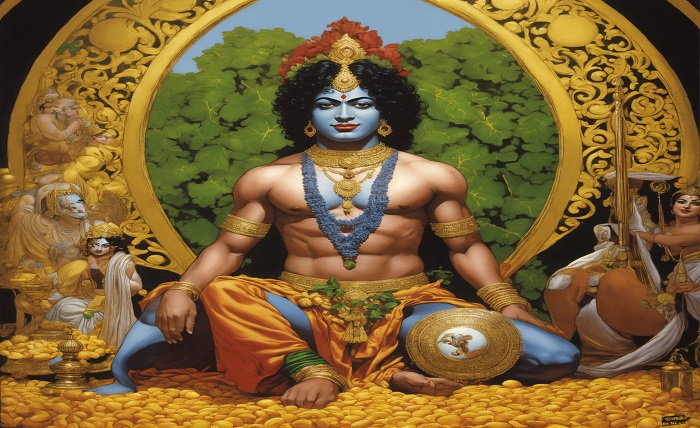
The question ekadashi kab hai is commonly asked by devotees who follow Hindu traditions and observe fasting rituals. Ekadashi is a sacred day dedicated to Lord Vishnu and occurs twice every month according to the lunar calendar. Knowing ekadashi kab hai helps devotees prepare for fasting, prayers, and spiritual practices.
For those who seek spiritual growth, understanding ekadashi kab hai is essential. It allows individuals to align their practices with the correct dates and perform rituals with devotion and discipline.
What is Ekadashi and Why People Ask Ekadashi Kab Hai
Ekadashi is the eleventh day of each lunar fortnight, and many people frequently search ekadashi kab hai to ensure they observe the fast on the correct day. This day is considered highly auspicious in Hinduism and is believed to bring peace, prosperity, and spiritual benefits.
The importance of knowing ekadashi kab hai lies in its religious value. Devotees believe that fasting on the right Ekadashi day can cleanse sins and bring them closer to divine blessings. That is why the query ekadashi kab hai remains popular among spiritual followers.
Spiritual Significance of Ekadashi Kab Hai
The significance of ekadashi kab hai goes beyond just knowing the date. It is about understanding the deeper spiritual meaning behind the observance. Ekadashi is believed to be the day when the mind and body can achieve purity through fasting and prayer.
When people ask ekadashi kab hai, they are often preparing for spiritual activities like chanting, meditation, and temple visits. Observing Ekadashi with devotion is said to remove negative energy and promote inner peace, making ekadashi kab hai an important query for devotees.
Ekadashi Kab Hai: Monthly Occurrence and Calendar
To answer ekadashi kab hai, it is important to understand that Ekadashi occurs twice every month—once during the waxing phase (Shukla Paksha) and once during the waning phase (Krishna Paksha) of the moon.
Each month has two Ekadashi days, and people regularly check calendars to know ekadashi kab hai. Since the dates change based on the lunar cycle, it is essential to stay updated. Many devotees rely on Hindu calendars or online tools to confirm ekadashi kab hai accurately.
Fasting Rules Related to Ekadashi Kab Hai
Once you know ekadashi kab hai, the next step is to follow the fasting rules properly. Devotees usually avoid grains, beans, and certain foods while consuming fruits, milk, and water.
The purpose of fasting after knowing ekadashi kab hai is to purify the body and mind. Some people observe a strict fast without food, while others follow a partial fast. Regardless of the method, observing the fast correctly after identifying ekadashi kab hai is considered highly beneficial.
Benefits of Observing Ekadashi Kab Hai
Understanding ekadashi kab hai can bring multiple benefits, both spiritual and physical. Spiritually, it is believed to cleanse sins and bring blessings from Lord Vishnu. Physically, fasting can help detoxify the body and improve digestion.
People who regularly follow ekadashi kab hai often report improved discipline and mental clarity. This makes the practice not only religiously significant but also beneficial for overall well-being. The awareness of ekadashi kab hai helps maintain consistency in these practices.
How to Prepare for Ekadashi Kab Hai
Preparation is important once you know ekadashi kab hai. Devotees usually plan their meals, prayers, and daily schedule in advance. This ensures they can observe the fast without distractions.
To properly follow ekadashi kab hai, individuals may start preparing a day before by eating light food and maintaining a calm mindset. Preparation also includes gathering items for पूजा (puja) and planning spiritual activities. Knowing ekadashi kab hai helps ensure everything is done in an organized manner.
Common Mistakes While Following Ekadashi Kab Hai
Even after knowing ekadashi kab hai, some people make mistakes in observing the fast. These can include eating restricted foods, not following the correct timing, or misunderstanding the date.
To avoid errors related to ekadashi kab hai, it is important to verify the date from reliable sources. Proper understanding of rules and discipline ensures that the benefits of ekadashi kab hai are fully realized.
Conclusion
In conclusion, the question ekadashi kab hai is essential for anyone who wishes to observe this sacred Hindu fast correctly. Knowing ekadashi kab hai helps devotees prepare for fasting, prayer, and spiritual growth.
By understanding the importance, rules, and benefits associated with ekadashi kab hai, individuals can enhance their spiritual journey. Whether for religious devotion or personal discipline, keeping track of ekadashi kab hai plays a vital role in maintaining tradition and faith.
FAQs
1. What does ekadashi kab hai mean?
The phrase ekadashi kab hai means “When is Ekadashi?” and is used to find the exact date of the fasting day.
2. How often does ekadashi kab hai occur?
The query ekadashi kab hai refers to a day that occurs twice every month according to the lunar calendar.
3. Why is ekadashi kab hai important?
Knowing ekadashi kab hai is important because it helps devotees observe fasting and perform religious rituals on the correct day.
4. Can anyone follow ekadashi kab hai fasting?
Yes, anyone can follow the fast after knowing ekadashi kab hai, though rules may vary based on health and tradition.
5. Where can I check ekadashi kab hai dates?
You can check ekadashi kab hai using Hindu calendars, mobile apps, or reliable online sources.