Introduction
Letras are the foundation of written communication, shaping how humans express ideas, emotions, and knowledge across time and cultures. The concept of letras goes beyond simple alphabets, representing a visual and symbolic system that connects language with identity and creativity. In modern usage, letras influence design, branding, education, and digital media in powerful ways.
Letras are not just characters on a page; they are carriers of meaning that evolve with societies and technologies. From ancient inscriptions carved in stone to digital fonts used on screens, letras reflect human progress and cultural diversity. Understanding letras helps us appreciate how written language shapes thought and communication in everyday life.
Letras also play a crucial role in art and aesthetics, where typography transforms words into visual experiences. Designers and creators use letras to evoke emotions, build brand identities, and communicate messages effectively. In this sense, letras are both functional and artistic elements of human expression.
The Historical Evolution of Letras
Letras have a long and fascinating history that traces back to early human civilizations, where symbols were first used to represent sounds and ideas. Ancient forms of letras appeared in Egyptian hieroglyphs, Mesopotamian cuneiform, and early Phoenician alphabets, each contributing to the development of modern writing systems.
Letras evolved significantly as societies expanded and cultures interacted. The Greek and Latin alphabets refined earlier systems, making letras more structured and widely adaptable. These developments allowed letras to become the backbone of written communication in Western civilizations.
Letras continued to transform during the Middle Ages, when manuscripts were carefully handwritten by scribes. The invention of the printing press marked a revolutionary shift, standardizing letras and making written knowledge accessible to the masses. This moment in history established letras as a central tool in education and literacy.
Today, letras exist in countless forms thanks to digital technology, but their historical roots remain visible in modern typography. Understanding the evolution of letras provides insight into how language and communication have developed over thousands of years.
Types and Styles of Letras
Letras come in a wide variety of styles and classifications, each serving different purposes in communication and design. Serif letras, for example, are commonly used in printed materials due to their traditional and readable appearance. Sans-serif letras, on the other hand, are widely used in digital platforms for their clean and modern look.
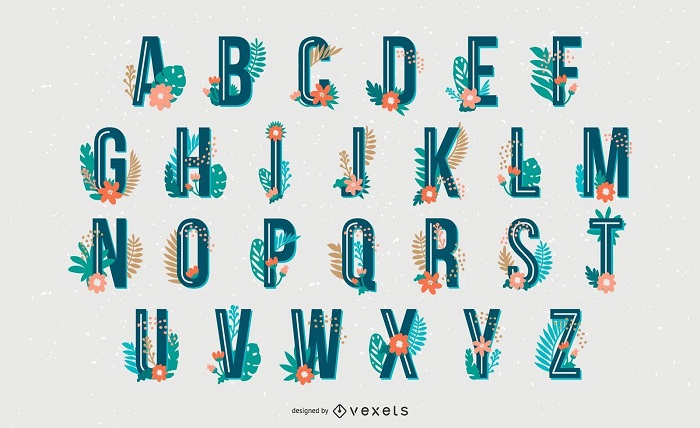
Letras also include decorative and script styles, which are often used in branding, invitations, and artistic projects. These letras emphasize creativity and emotional expression, allowing designers to convey personality through typography. Each style of letras carries its own visual identity and psychological impact.
Letras are further categorized based on weight, spacing, and structure, such as bold, italic, condensed, and expanded forms. These variations help enhance readability and visual hierarchy in written content. By combining different types of letras, designers can create dynamic and engaging compositions.
In essence, the diversity of letras allows for endless possibilities in communication, making them essential tools in both traditional and modern design practices.
Letras in the Digital World
Letras have undergone a major transformation in the digital age, where typography plays a critical role in user experience and interface design. Digital letras are now optimized for screens, ensuring clarity and readability across devices such as smartphones, tablets, and computers.
Letras in digital platforms are often embedded in software systems, allowing users to customize fonts and styles according to their preferences. This flexibility has made letras an important part of personal expression in online communication, from social media posts to professional presentations.
Letras also play a key role in web design and app development, where typography affects usability and accessibility. Designers carefully select letras to ensure that content is easy to read and visually appealing. The rise of responsive design has further emphasized the importance of adaptable letras.
With advancements in technology, variable letras and animated typography have emerged, offering new ways to interact with written content. These innovations show how letras continue to evolve in the digital landscape.
Cultural Significance of Letras
Letras hold deep cultural significance as they represent identity, heritage, and communication within societies. Different cultures have developed unique forms of letras that reflect their history, values, and artistic traditions. For example, calligraphic letras in Arabic and East Asian scripts are considered highly artistic forms of expression.
Letras are often used in cultural celebrations, religious texts, and traditional artworks, symbolizing the connection between language and spirituality. In many cultures, letras are not only functional but also sacred, carrying symbolic meanings that go beyond their literal interpretation.
Letras also serve as a bridge between generations, preserving stories, knowledge, and traditions through written records. Literature, poetry, and historical documents rely on letras to maintain cultural continuity and identity.
In modern multicultural societies, letras continue to play a vital role in promoting diversity and understanding. They allow different languages and scripts to coexist, enriching global communication and cultural exchange.
Modern Applications of Letras
Letras are widely used in modern industries such as advertising, branding, education, and entertainment. In branding, letras help create recognizable identities for companies, influencing how consumers perceive products and services. A well-designed set of letras can make a brand memorable and impactful.
Letras are also essential in education, where textbooks, digital learning platforms, and instructional materials rely on clear typography to enhance comprehension. Educators use letras to structure information and improve student engagement.
In entertainment, letras appear in movie titles, video games, and multimedia content, contributing to visual storytelling. Designers use creative letras to set moods and convey themes effectively.
Letras are even used in user interface design, where clarity and readability are critical for user interaction. From mobile apps to websites, letras shape how users navigate and understand digital environments.
The Future of Letras
Letras are expected to continue evolving as technology advances and communication methods change. Artificial intelligence and machine learning are already influencing how letras are generated, customized, and optimized for different platforms.
Letras may become increasingly adaptive, changing in real-time based on user behavior, context, and environmental factors. This could lead to highly personalized reading experiences where letras adjust automatically for readability and aesthetic preference.
Letras will also play a role in virtual and augmented reality environments, where immersive typography can enhance digital experiences. These innovations will expand the boundaries of how letras are used in storytelling and interaction.
As global communication continues to grow, letras will remain a fundamental part of human expression, adapting to new technologies while preserving their cultural and historical significance.
Conclusion
Letras are an essential part of human communication, blending history, culture, art, and technology into a single expressive system. From ancient inscriptions to modern digital fonts, letras have continuously evolved to meet the needs of society. They influence how we read, write, design, and interact with the world around us.
Understanding letras helps us appreciate the depth and versatility of written language. As technology continues to advance, letras will remain central to communication, adapting to new platforms while preserving their timeless significance. Whether in print or digital form, letras will always be a powerful tool for expression and connection.
FAQs
1. What are letras?
Letras are written characters or symbols used to represent language, forming the basis of communication in written form across cultures.
2. Why are letras important in design?
Letras are important in design because they influence readability, aesthetics, and emotional impact in visual communication.
3. How have letras evolved over time?
Letras have evolved from ancient symbols and scripts to modern alphabets and digital typography used in today’s technology.
4. What are the main types of letras?
The main types of letras include serif, sans-serif, script, and decorative styles, each serving different design purposes.
5. How are letras used in the digital world?
Letras are used in websites, apps, and digital media to improve readability, enhance user experience, and support branding.